


Introduction
For many Muslims, visiting the holy cities of Makkah and Madinah is a deeply meaningful spiritual goal. Whether you are planning your first pilgrimage or helping a loved one prepare, understanding the difference between Hajj and Umrah is an important first step.
Although both journeys involve visiting Makkah and performing acts of worship, they differ in their timing, rituals and religious rulings.
What is Hajj?
Hajj is the major Islamic pilgrimage to Makkah. It takes place during specific days of Dhul-Hijjah, the final month of the Islamic calendar.
Hajj is one of the five pillars of Islam. It is obligatory once in a lifetime for a Muslim who meets the conditions, including having the physical ability and financial means to undertake it.
The pilgrimage includes specific rites, such as entering the state of Ihram, standing at Arafat, staying at Muzdalifah and performing other prescribed acts of worship.
Because Hajj takes place within a fixed period, pilgrims must follow the official arrangements and schedules for their pilgrimage season.
What is Umrah?
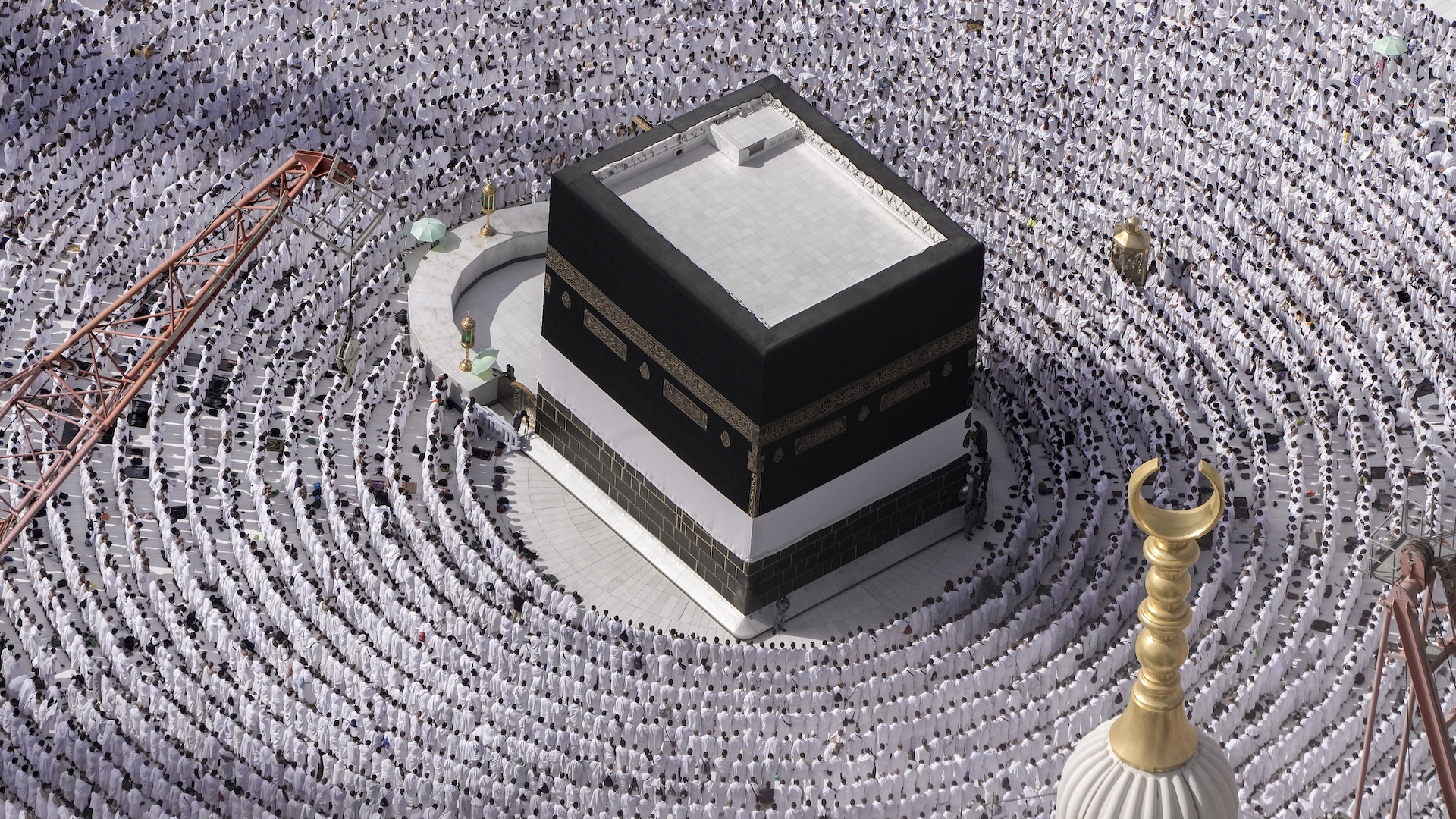
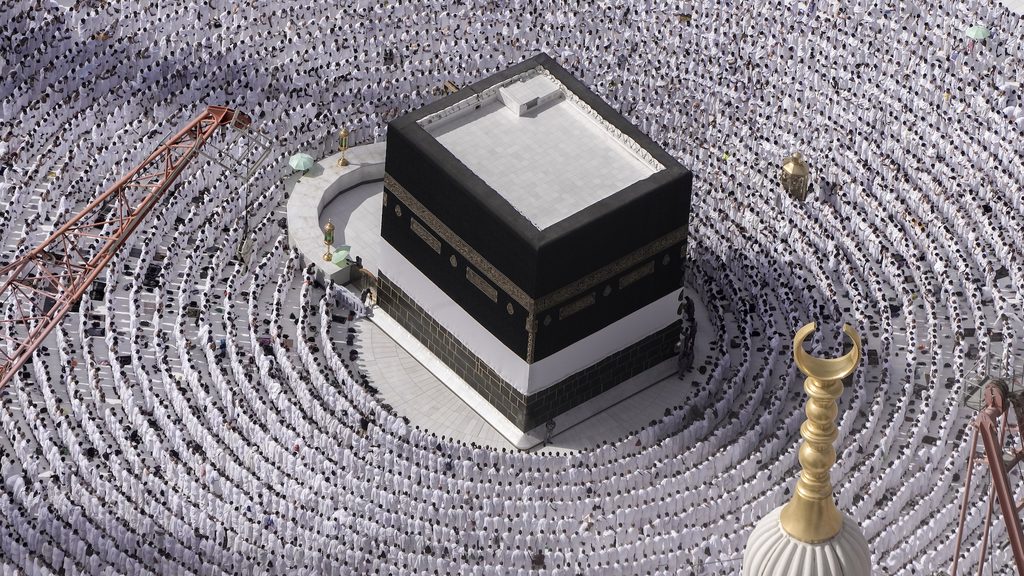
Umrah is often called the lesser pilgrimage. It involves performing specific acts of worship in Makkah, including entering Ihram, performing Tawaf around the Ka’bah, performing Sa’i between Safa and Marwah, and completing the rites by cutting or shortening the hair as prescribed.
Unlike Hajj, Umrah can generally be performed at different times of the year, subject to Saudi regulations and seasonal restrictions.
Many Muslims choose Umrah for its spiritual significance and the opportunity to spend time in the holy cities.
What are the main differences between Hajj and Umrah?
| Hajj | Umrah |
|---|---|
| Performed during specific days of Dhul-Hijjah | Can generally be performed throughout the year, subject to restrictions |
| Obligatory once in a lifetime for Muslims who meet the conditions | Generally considered Sunnah by many scholars, with some differences in scholarly rulings |
| Includes standing at Arafat and other Hajj-specific rites | Does not include the Hajj rites at Arafat, Muzdalifah and Mina |
| Requires season-specific official arrangements | Offers greater flexibility in choosing travel dates outside restricted periods |
How can you prepare for either pilgrimage?
Start by learning the correct rituals, checking your travel documents and understanding the current entry requirements.
You should also prepare a realistic budget covering flights, accommodation, transport, meals and other expenses. If travelling with an agency, confirm exactly what its package includes.
Final thoughts
Hajj and Umrah are both important opportunities for worship, reflection and spiritual growth. Understanding their differences will help you make informed decisions about your pilgrimage plans.
At Finest Travels & Tours, we understand the spiritual significance of Hajj and Umrah. As a fully licensed and compliant travel agency, we are committed to helping pilgrims plan their journeys with confidence through clear information, professional service and carefully coordinated travel arrangements.
Ready to begin your pilgrimage journey? Contact Finest Travels & Tours to enquire about our Hajj and Umrah services and take the first step towards your journey to the holy cities.
Religious rulings may differ among scholars. Consult a qualified Islamic scholar for personal religious guidance. Visa and pilgrimage arrangements are subject to official regulations.